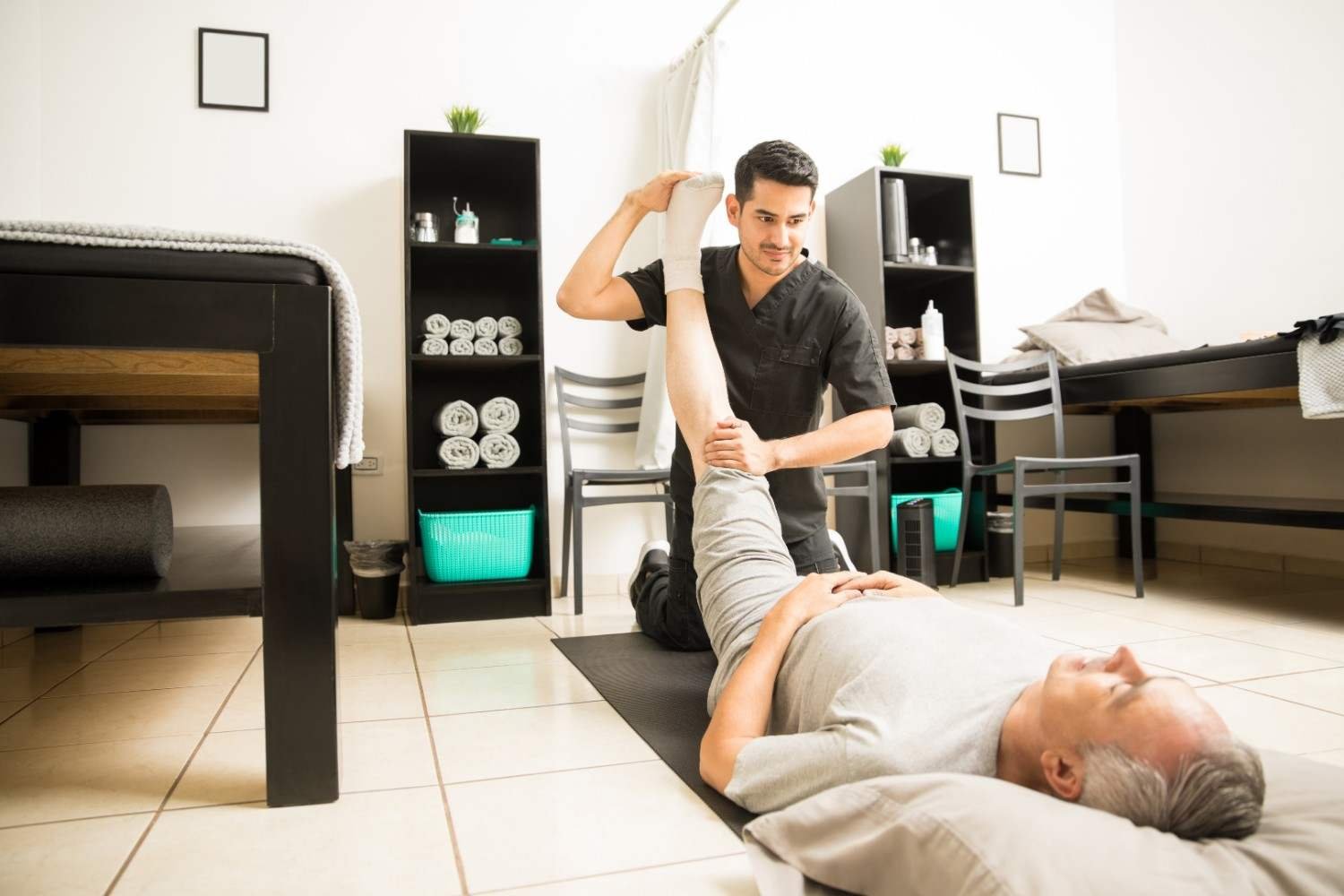
What Conditions Can Be Treated at the Best Physiotherapy Clinic in Gurugram?
Finding the Best Physiotherapy Clinic in Gurugram can make a significant difference when pain, stiffness, weakness, or an injury starts affecting your daily life. Physiotherapy is not limited to treating sports injuries. It can support recovery from musculoskeletal problems, post-surgical conditions, neurological disorders, and many movement-related concerns. At GS Physiotherapy, treatment is planned according to the individual’s condition, symptoms, movement limitations, and recovery goals.
For fast notification, contact us on WhatsApp.
Physiotherapy focuses on improving movement, reducing pain, restoring strength, and helping people return to their normal activities. Rehabilitation is also an important part of healthcare for many musculoskeletal and neurological conditions.
Conditions Treated at the Best Physiotherapy Clinic in Gurugram
A physiotherapy assessment can help identify the factors contributing to pain or reduced mobility. Based on the assessment, a physiotherapist may recommend exercises, manual techniques, electrotherapy, mobility work, or other appropriate rehabilitation approaches.
Here are some common conditions that can benefit from physiotherapy.
1. Back Pain and Lower Back Problems
Back pain is one of the most common reasons people seek physiotherapy. It can develop due to poor posture, prolonged sitting, muscle strain, reduced mobility, or other musculoskeletal problems.
Physiotherapy may include strengthening exercises, mobility exercises, posture correction, manual therapy, and guidance for daily activities. The aim is to improve movement and help the person manage their symptoms safely.
For people searching for the Best Physiotherapy Clinic in Gurugram, an individualized approach is important because the cause and severity of back pain can vary from person to person.
2. Neck Pain and Cervical Problems
Long working hours, prolonged screen use, poor posture, and muscle tension can contribute to neck pain and stiffness. Some people may also experience headaches, shoulder discomfort, or symptoms extending toward the arm.
Physiotherapy can focus on improving neck and upper-back mobility, strengthening supporting muscles, correcting movement patterns, and reducing muscular tension.
Conditions such as neck strain, muscle spasm, and cervical radiculopathy may require a carefully planned rehabilitation program.
3. Knee Pain and Osteoarthritis
Knee pain can make everyday activities such as walking, climbing stairs, or standing difficult. Osteoarthritis is another common condition that can affect joint function and mobility.
Physiotherapy may involve strengthening the muscles around the knee, improving flexibility, balance training, functional exercises, and education about appropriate physical activity.
The World Health Organization includes osteoarthritis and other musculoskeletal conditions among conditions that can benefit from rehabilitation.
4. Shoulder Pain and Frozen Shoulder
Shoulder problems can significantly restrict arm movement. Frozen shoulder, shoulder impingement, rotator cuff problems, and general shoulder pain are examples where physiotherapy may form an important part of treatment.
Treatment can involve gentle mobility exercises, stretching, strengthening, manual therapy, and progressive functional exercises. The rehabilitation plan should be adjusted according to the person’s symptoms and movement capacity.
A qualified physiotherapist can also help determine which movements should be avoided during different stages of recovery.
5. Sports Injuries and Ligament Problems
Sports injuries can occur during running, gym workouts, football, cricket, or other physical activities. Sprains, strains, tendon problems, and ligament injuries can affect athletes as well as recreational fitness enthusiasts.
Sports physiotherapy can help with rehabilitation after an injury and can also support a gradual return to physical activity. Treatment may include mobility exercises, strengthening, balance training, functional drills, and sport-specific rehabilitation.
At the Best Physiotherapy Clinic in Gurugram, the objective should be more than temporary pain reduction. Proper rehabilitation should also address strength, movement, and functional recovery.
6. Ankle and Foot Conditions
Foot and ankle problems can affect walking and exercise. Common examples include ankle sprains, heel pain, plantar fasciitis, and other soft-tissue problems.
Physiotherapy may help improve ankle mobility, strengthen supporting muscles, develop balance, and gradually restore normal movement.
For active individuals, rehabilitation can also focus on improving movement patterns before returning to running or sports.
7. Post-Fracture Rehabilitation
After a fracture, stiffness and muscle weakness can remain even after the bone has healed sufficiently. Immobilization can also reduce normal joint movement and muscle strength.
Post-fracture physiotherapy can help restore flexibility, strength, balance, and functional movement. The exercises are generally progressed according to healing status and medical guidance.
Rehabilitation is recognized as an important component of recovery for fractures and other musculoskeletal conditions.
8. Post-Surgical Rehabilitation
Physiotherapy can be an important part of recovery following certain surgeries. This may include rehabilitation after knee replacement, hip replacement, or other orthopedic procedures.
The rehabilitation plan may focus on reducing movement limitations, improving muscle strength, restoring walking ability, and gradually returning to everyday activities.
Post-surgical rehabilitation should always respect the instructions provided by the treating surgeon and the stage of healing.
9. Neurological Conditions
Physiotherapy is not only for bones, muscles, and joints. Neurological rehabilitation can also help people who have movement, balance, coordination, or functional difficulties related to neurological conditions.
Stroke, Parkinson’s disease, spinal cord injury, traumatic brain injury, and cerebral palsy are among the neurological conditions for which rehabilitation interventions may be used.
Treatment may include balance exercises, gait training, strengthening, coordination exercises, mobility training, and functional activities.
10. Carpal Tunnel and Hand/Wrist Problems
Pain, tingling, numbness, or weakness in the hand and wrist can interfere with typing, lifting, writing, and other everyday activities.
Conditions such as carpal tunnel syndrome and certain tendon problems may benefit from physiotherapy depending on the underlying cause and clinical assessment.
Treatment may include mobility exercises, strengthening, ergonomic advice, manual techniques, and activity modification.
11. Elbow and Tendon Conditions
Tennis elbow, golfer’s elbow, bursitis, and certain tendon-related conditions can cause pain during gripping, lifting, or repetitive activities.
Physiotherapy can help improve strength and flexibility while gradually restoring tolerance to everyday and work-related movements.
Exercises are generally progressed over time rather than increasing activity too quickly.
12. Pain Related to Poor Posture and Muscle Imbalance
Modern lifestyles often involve prolonged sitting, computer work, and limited physical activity. These habits can contribute to muscular tightness, weakness, and movement-related discomfort.
Physiotherapy can assess posture and movement patterns and provide exercises designed around the individual’s needs.
Simple changes in workstation setup, movement breaks, strengthening, and mobility exercises may also become part of a long-term management plan.
How Does the Best Physiotherapy Clinic in Gurugram Approach Treatment?
Effective physiotherapy should not follow the same routine for every patient. A physiotherapist generally begins by understanding the symptoms, medical history, physical limitations, and functional goals.
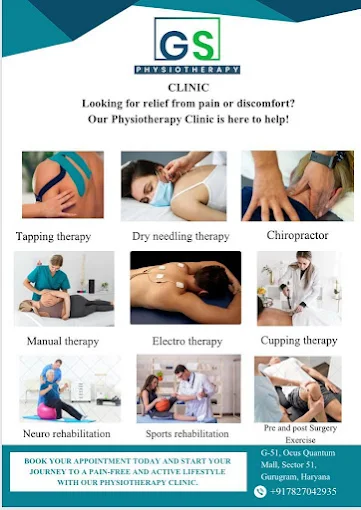
The treatment plan may then combine different approaches. These can include exercise therapy, manual therapy, electrotherapy, dry needling, sports rehabilitation, and other techniques when clinically appropriate. GS Physiotherapy lists services including orthopedic, sports, neurological, pediatric, home, manual, exercise, and other physiotherapy approaches.
The goal is to create a progressive plan that addresses the individual’s current condition while working toward better movement and function.
When Should You Consider Physiotherapy?
You may consider a physiotherapy assessment if pain, stiffness, weakness, reduced balance, or limited movement is affecting your daily activities.
Physiotherapy can also be useful during recovery after an injury or surgery when rehabilitation has been recommended.
However, severe or unexplained symptoms should not be self-treated. If there is significant trauma, sudden severe weakness, loss of sensation, chest pain, difficulty breathing, or another emergency symptom, appropriate medical care should be sought immediately.
Why Choose GS Physiotherapy?
GS Physiotherapy provides physiotherapy and rehabilitation services in Gurgaon with a focus on personalized care. The clinic offers multiple treatment approaches for orthopedic, sports, neurological, pediatric, and other rehabilitation needs.
A personalized treatment plan can make rehabilitation more structured and help patients understand what they can do during recovery.
If you are looking for the Best Physiotherapy Clinic in Gurugram, consider choosing a clinic where your condition is assessed properly and the treatment plan is based on your individual needs.
Conclusion
Physiotherapy can support recovery across a wide range of conditions, including back pain, neck pain, knee problems, shoulder conditions, sports injuries, fractures, post-surgical rehabilitation, and neurological conditions.
The right treatment depends on the underlying problem, symptoms, physical function, and recovery goals. At GS Physiotherapy, an individualized rehabilitation approach can help patients work toward improved movement, strength, and everyday function.
For anyone searching for the Best Physiotherapy Clinic in Gurugram, professional assessment and a personalized rehabilitation plan are important steps toward managing pain and improving physical function.
FAQs
1. What conditions can physiotherapy treat?
Physiotherapy can help manage many movement-related conditions, including back pain, neck pain, knee pain, shoulder problems, sports injuries, fractures, arthritis, and certain neurological conditions. The appropriate treatment depends on the individual’s diagnosis and clinical assessment.
2. Can physiotherapy help with back pain?
Yes. Physiotherapy may help people with many types of back pain by using exercises, mobility training, manual techniques, posture guidance, and education. The treatment approach depends on the cause and severity of the pain.
3. Is physiotherapy useful after surgery?
Physiotherapy can be an important part of rehabilitation after many orthopedic surgeries. It may help restore mobility, strength, balance, and functional movement. The rehabilitation plan should follow the surgeon’s recommendations.
4. Can physiotherapy treat sports injuries?
Yes. Sports physiotherapy can support recovery from many sports-related injuries, including sprains, strains, tendon problems, and ligament injuries. Rehabilitation can also help an individual gradually return to physical activity.
5. How do I choose the Best Physiotherapy Clinic in Gurugram?
Look for a clinic with qualified physiotherapists, appropriate assessment, personalized treatment plans, and rehabilitation options relevant to your condition. The focus should be on safe, progressive recovery rather than a one-size-fits-all treatment approach.
For more information about GS Physiotherapy, visit https://gsphysiotherapy.in/ to learn more about their services or to book an appointment.

Why is GS Physiotherapy Considered the Best Physiotherapy Clinic in Gurgaon?
क्यों GS Physiotherapy को गुड़गांव में सर्वश्रेष्ठ फिजियोथेरेपी क्लिनिक माना जाता है?

What Techniques Are Used at GS Physiotherapy for Tennis Elbow Relief?