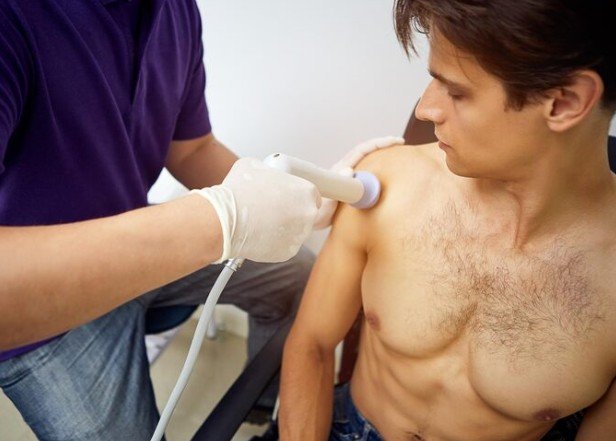
How Long Does Shoulder Pain Physiotherapy Take to Work?
Shoulder pain can make simple activities like reaching overhead, dressing, sleeping, or carrying a bag uncomfortable. If you are considering the Best Shoulder Pain Treatment in Gurgaon, you may wonder how quickly physiotherapy can start working. The answer depends on the cause and severity of your shoulder problem. Some people notice pain relief within a few sessions, while others need several weeks or months for meaningful recovery.
At GS Physiotherapy, shoulder treatment is personalized according to your symptoms, movement limitations, strength, and recovery goals. The clinic uses approaches such as exercise therapy, manual therapy, electrotherapy, and posture guidance to support shoulder rehabilitation.
When Does Shoulder Physiotherapy Start Working?
There is no single recovery timeline for every person. However, many patients may begin to notice changes within the first few weeks of consistent physiotherapy.
Early improvements can include:
Reduced pain during daily activities
Better shoulder movement
Less stiffness
Improved sleep
Greater confidence while using the affected arm
These early changes do not always mean that the shoulder has completely healed. Physiotherapy often needs to continue after pain decreases so that strength, mobility, and movement control can improve.
If your symptoms are mild and caused by muscle tightness or overuse, recovery may be relatively quick. More complex conditions, such as frozen shoulder, rotator cuff injuries, or long-standing pain, can require a longer rehabilitation program.
What Affects Shoulder Pain Recovery Time?
The time required for physiotherapy depends on several factors. Understanding these factors can help you set realistic recovery expectations.
1. The Cause of Shoulder Pain
Shoulder pain can have many causes. These include rotator cuff problems, shoulder impingement, tendonitis, bursitis, frozen shoulder, arthritis, injuries, and repetitive strain. Poor posture can also contribute to shoulder discomfort.
For example, a mild muscle strain may improve faster than a significant tendon injury. Frozen shoulder can also require a longer, stage-based rehabilitation approach.
2. How Long You Have Had the Pain
Recent shoulder pain is often easier to manage than a problem that has been ignored for months.
When pain continues for a long time, people may start avoiding certain movements. This can lead to stiffness, weakness, and reduced confidence in using the shoulder. A physiotherapist can gradually restore safe movement and strength.
This is why starting the Best Shoulder Pain Treatment in Gurgaon at the right time can be important for preventing the problem from becoming more difficult to manage.
3. Your Shoulder Strength and Mobility
Weak shoulder muscles can affect joint stability and movement. Limited flexibility can also make everyday activities uncomfortable.
A physiotherapy assessment can identify restrictions in movement and weakness around the shoulder. Treatment may then include mobility exercises, rotator cuff strengthening, scapular exercises, and posture correction.
4. Your Consistency With Treatment
Consistency plays an important role in rehabilitation.
Attending physiotherapy sessions regularly is only one part of recovery. Your physiotherapist may also provide exercises to perform at home. Completing these exercises correctly and following activity recommendations can help maintain progress between sessions.
At GS Physiotherapy, treatment plans are individually tailored to the patient's condition and recovery goals.
Typical Shoulder Physiotherapy Recovery Timeline
Every patient is different, so the following timeline should be viewed as a general guide rather than a guarantee.
First 1–2 Weeks: Managing Pain and Movement
During the early stage, treatment usually focuses on reducing discomfort and improving comfortable movement.
Depending on the condition, treatment may include gentle exercises, manual therapy, heat or cold therapy, and other physiotherapy techniques. GS Physiotherapy's shoulder care approach includes pain management, mobility work, strengthening, and posture guidance.
You may notice that certain movements become easier during this stage.
Weeks 3–6: Improving Mobility and Strength
Once pain is better controlled, rehabilitation can progress.
Exercises may become more challenging as your shoulder becomes stronger. Your physiotherapist may work on:
Rotator cuff strength
Shoulder flexibility
Scapular stability
Posture
Functional movement
Muscle coordination
For conditions such as shoulder impingement, rehabilitation may include stretching, rotator cuff strengthening, scapular stabilisation, and mobility training.
Six Weeks and Beyond: Building Long-Term Function
Some shoulder conditions require rehabilitation beyond six weeks.
At this stage, the goal is not simply to make the pain disappear. The focus is also on restoring strength, improving movement quality, returning to normal activities, and reducing the risk of recurring symptoms.
Athletes or people involved in physically demanding work may need additional strengthening before returning fully to their usual activities.
Best Shoulder Pain Treatment in Gurgaon: What Can Physiotherapy Include?
The Best Shoulder Pain Treatment in Gurgaon should begin with understanding the reason behind the pain rather than simply treating the painful area.
A physiotherapy program may include:
Manual Therapy
Hands-on techniques can help improve joint mobility and reduce muscle tightness. They may be combined with active rehabilitation rather than used as the only treatment.
Therapeutic Exercises
Exercises help improve flexibility, strength, stability, and movement control. A program can be progressed as your shoulder becomes stronger.
Posture and Ergonomic Training
Poor working posture and repetitive movements can increase stress around the shoulder. Learning better sitting, lifting, and working habits can help reduce unnecessary strain.
Electrotherapy
Depending on the condition, physiotherapy may include modalities such as TENS or ultrasound as part of a broader rehabilitation program.
Home Exercise Program
Home exercises help you continue rehabilitation between clinic visits. They should be performed according to professional guidance and should not cause significant or worsening pain.
Why Early Assessment Matters
Shoulder pain should not always be treated as a minor muscle ache. Persistent pain, increasing weakness, significant loss of movement, or pain after an injury may require professional assessment.
An accurate assessment can help identify whether the symptoms are related to the shoulder joint, muscles, tendons, nerves, or even the neck. GS Physiotherapy notes that some shoulder symptoms can be associated with the neck or upper spine, making proper evaluation important.
Seeking the Best Shoulder Pain Treatment in Gurgaon early can also help you understand what activities to modify and which movements are appropriate during recovery.
How to Get Better Results From Physiotherapy
You can support your shoulder recovery by following a few simple principles:
Stay consistent: Do not stop treatment immediately after the pain improves.
Follow your exercise plan: Perform prescribed exercises with proper technique.
Avoid unnecessary strain: Temporarily modify activities that repeatedly trigger pain.
Improve posture: Keep your workstation and daily movement habits shoulder-friendly.
Communicate with your physiotherapist: Tell your therapist if pain is getting worse or if an exercise feels unsuitable.
Remember, recovery is not always a straight line. Some days may feel better than others. Your treatment plan may need adjustment as your shoulder improves.
Best Shoulder Pain Treatment in Gurgaon at GS Physiotherapy
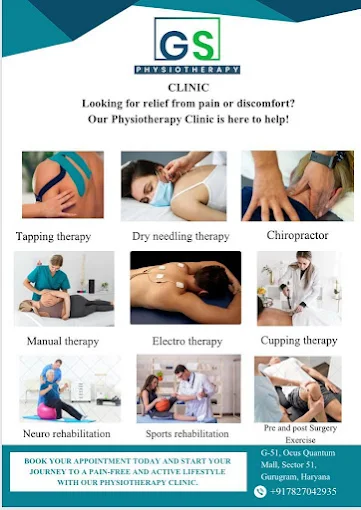
Choosing the right physiotherapy clinic can make your rehabilitation more structured and goal-oriented. GS Physiotherapy provides personalized physiotherapy care in Gurgaon, with treatment plans designed around individual conditions and recovery goals. The clinic offers orthopedic physiotherapy and techniques including manual therapy, rehabilitative exercise, electrotherapy, and posture and ergonomic coaching.
For patients looking for the Best Shoulder Pain Treatment in Gurgaon, the focus should be on more than short-term pain relief. A good rehabilitation plan should also address mobility, strength, movement patterns, and prevention of future problems.
Conclusion
So, how long does shoulder pain physiotherapy take to work? Many people may notice early improvements within a few weeks, but complete recovery can take longer depending on the cause, severity, duration, and consistency of treatment.
The key is to avoid comparing your recovery with someone else's. A mild strain, shoulder impingement, rotator cuff problem, and frozen shoulder can all have very different recovery timelines.
With a proper assessment and personalized rehabilitation program, physiotherapy can help reduce pain, restore movement, improve shoulder strength, and support a confident return to daily activities.
If you are searching for the Best Shoulder Pain Treatment in Gurgaon, GS Physiotherapy can provide a personalized approach focused on improving both your current symptoms and long-term shoulder function.

Why is GS Physiotherapy Considered the Best Physiotherapy Clinic in Gurgaon?
क्यों GS Physiotherapy को गुड़गांव में सर्वश्रेष्ठ फिजियोथेरेपी क्लिनिक माना जाता है?

What Techniques Are Used at GS Physiotherapy for Tennis Elbow Relief?