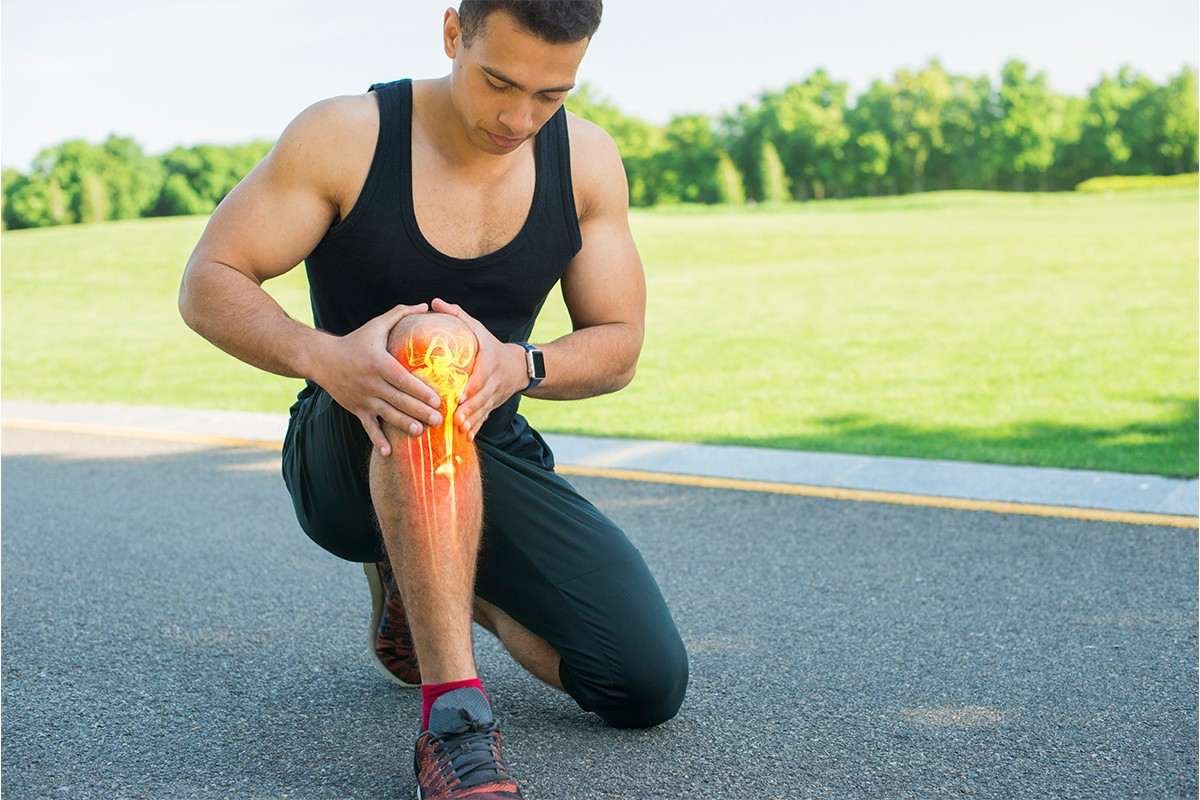
Which Exercises Are Recommended for Knee Pain Relief?
Knee pain can make everyday activities, such as walking, climbing stairs, or standing for long periods, difficult. The right exercises can help strengthen the muscles around the knee, improve flexibility, and support joint movement. Knee Pain Physiotherapy in Gurgaon can help identify the cause of discomfort and guide patients towards suitable exercises based on their condition.
For fast notification, contact us on WhatsApp.
Knee pain may develop due to arthritis, sports injuries, muscle weakness, excess strain, or age-related changes. However, not every exercise is suitable for every person. A physiotherapist can recommend a personalised exercise programme that supports recovery while reducing unnecessary stress on the knee joint.
Why Are Exercises Important for Knee Pain Relief?
Exercise plays an important role in managing many types of knee pain. Strong muscles help support the knee and improve stability during movement. Gentle exercises can also reduce stiffness and maintain flexibility.
Regular, appropriate activity may help you:
Strengthen the muscles around the knee.
Improve balance and joint stability.
Maintain flexibility and range of motion.
Make walking and climbing stairs easier.
Support recovery after certain injuries or surgeries.
A professional providing Knee Pain Physiotherapy in Gurgaon can assess your movement, muscle strength, and pain levels before recommending an exercise routine. This helps ensure that the exercises match your needs and physical abilities.
7 Exercises Recommended for Knee Pain Relief
The following exercises are commonly used in knee rehabilitation. However, their suitability depends on the cause and severity of your pain. Start gently and seek guidance if you are unsure which movements are appropriate.
1. Quadriceps Sets
The quadriceps are the muscles at the front of your thigh. They help straighten the knee and support everyday movements.
How to perform:
Sit or lie down with your affected leg straight.
Tighten the muscles at the front of your thigh.
Gently press the back of your knee towards the bed or floor.
Hold for 5 seconds, then relax.
Repeat 8–10 times if comfortable.
This exercise activates the thigh muscles without requiring repeated knee bending. It may be helpful for people who have difficulty with more demanding exercises.
2. Straight Leg Raises
Straight leg raises help strengthen the quadriceps and hip muscles while keeping the knee relatively straight.
How to perform:
Lie on your back with one knee bent and the other leg straight.
Tighten the thigh muscle of the straight leg.
Lift the leg approximately 20–30 centimetres off the surface.
Hold briefly, then lower it slowly.
Start with 8–10 repetitions, provided the movement does not increase your pain.
This exercise may be included in rehabilitation programmes for selected knee conditions. A physiotherapist can advise whether it is suitable for you.
3. Hamstring Stretch
The hamstrings are the muscles at the back of your thigh. Tightness in these muscles can affect leg movement and flexibility.
How to perform:
Sit near the edge of a sturdy chair.
Extend one leg forward, keeping your heel on the floor.
Keep your back straight and gently lean forward from your hips.
Stop when you feel a mild stretch behind your thigh.
Hold for 15–30 seconds and repeat 2–3 times on each side.
Avoid bouncing or forcing the stretch. Gentle stretching should not cause sharp pain in the knee.
4. Heel Slides
Heel slides help maintain or improve knee bending. They are often used when stiffness limits comfortable movement.
How to perform:
Lie on your back with both legs straight.
Slowly slide one heel towards your body.
Bend the knee only as far as feels comfortable.
Slide your heel back to the starting position.
Repeat 8–10 times if tolerated.
Heel slides may be useful during certain stages of rehabilitation. However, people recovering from knee surgery should follow their surgeon's or physiotherapist's specific instructions.
5. Seated Knee Extensions
Seated knee extensions strengthen the quadriceps and help improve control when straightening the knee.
How to perform:
Sit upright on a sturdy chair.
Slowly straighten one leg in front of you.
Pause for 2–3 seconds without locking the knee forcefully.
Lower the leg slowly.
Begin with 8–10 repetitions on each side if comfortable.
This movement can be adjusted according to your strength and range of motion. If it causes pain around the kneecap, stop and ask a physiotherapist to modify the exercise.
6. Glute Bridges
The gluteal muscles support hip movement and help maintain lower-body stability. Strengthening them may improve the way forces are distributed through the legs during daily activities.
How to perform:
Lie on your back with your knees bent and feet flat on the floor.
Keep your feet about hip-width apart.
Tighten your abdominal and gluteal muscles.
Lift your hips gently while keeping your back comfortable.
Hold briefly, then lower your hips slowly.
Try 8–10 repetitions if the movement is comfortable.
Avoid lifting your hips too high or arching your lower back excessively. If bending your knees causes pain, seek professional advice before continuing.
7. Sit-to-Stand Exercise
Standing up from a chair strengthens the thigh and hip muscles. It also practises a movement needed for many daily activities.
How to perform:
Sit on a stable chair with your feet flat on the floor.
Lean slightly forward while keeping your back comfortable.
Push through your feet and stand up slowly.
Lower yourself back into the chair with control.
Start with 5–8 repetitions and use your hands for support if necessary.
Choose a chair at a suitable height. If the exercise causes significant pain or your knee feels unstable, stop and ask for guidance.
How Can Physiotherapy Help Manage Knee Pain?
Exercises are only one part of a complete knee rehabilitation programme. The right treatment depends on the underlying cause, symptoms, strength, and mobility of the patient.
A physiotherapist may use several approaches.
Personalised Exercise Therapy
A physiotherapist assesses your muscle strength, flexibility, walking pattern, and knee movement. Based on the findings, they can select suitable exercises and gradually adjust their difficulty.
Manual Therapy
Where appropriate, a physiotherapist may use hands-on techniques to help improve joint mobility and reduce stiffness. Manual therapy is usually combined with exercise rather than used as the only treatment.
Gait and Movement Training
Incorrect movement patterns may place additional stress on the knee. Training can help patients improve walking mechanics, balance, and control during everyday activities.
Recovery After Injury or Surgery
Following an injury or knee surgery, rehabilitation may focus on restoring movement, rebuilding strength, and gradually returning to daily activities. The exercise plan should follow the treating clinician's instructions.
If you are looking for Knee Pain Physiotherapy in Gurgaon, GS Physiotherapy can be a starting point for discussing your symptoms and exploring suitable rehabilitation options.
Exercises to Avoid When Your Knee Hurts
Some movements may aggravate knee pain, especially during a flare-up or after an injury. Avoid forcing your knee through painful movements.
Depending on your condition, you may need to limit:
Deep squats that cause knee pain.
Repeated jumping or high-impact activities.
Heavy leg exercises without proper guidance.
Sudden increases in walking or running distance.
Exercises that cause swelling or instability.
You do not always need to stop all physical activity. Instead, choose movements that your knee can tolerate and increase activity gradually under professional guidance.
When Should You Consult a Physiotherapist?
Consider professional assessment if knee pain persists, keeps returning, or interferes with walking, sleeping, or daily activities.
Seek urgent medical attention if you cannot bear weight on the affected leg, the knee becomes severely swollen or deformed, or you develop a hot, red knee with fever. Sudden severe pain after an injury also requires prompt assessment.
A specialist in Knee Pain Physiotherapy in Gurgaon can help determine whether exercise-based rehabilitation is appropriate or whether further medical evaluation is needed.
Conclusion
The right exercises can help strengthen the muscles around the knee, improve flexibility, and make daily movements more comfortable. Quadriceps sets, straight leg raises, heel slides, hamstring stretches, and sit-to-stand exercises are commonly used in knee rehabilitation. However, the best programme depends on your symptoms and the underlying cause of your pain.
Professional Knee Pain Physiotherapy in Gurgaon can help you exercise safely, improve movement, and work towards your recovery goals. At GS Physiotherapy, patients can discuss their knee pain concerns and seek guidance on an appropriate rehabilitation plan. Consistency, correct technique, and gradual progress are important for long-term joint health.
Frequently Asked Questions
1. Which exercise is best for knee pain relief?
The best exercise depends on the cause of your knee pain. Quadriceps sets, straight leg raises, and heel slides may be suitable for some people. A physiotherapist can recommend exercises based on your condition.
2. Can walking help reduce knee pain?
Gentle walking may help maintain mobility and support general health when tolerated. Start with a comfortable distance and avoid pushing through increasing pain or swelling. Your physiotherapist can advise on suitable activity levels.
3. How often should I perform knee pain exercises?
The frequency depends on the exercise, your symptoms, and your rehabilitation plan. Some gentle exercises may be performed daily, while strengthening exercises may require rest between sessions. Follow your physiotherapist's instructions.
4. Can physiotherapy help with arthritis-related knee pain?
Yes. Individualised physiotherapy can help people with knee osteoarthritis improve muscle strength, mobility, and daily function. Treatment may include strengthening exercises, movement training, and advice on managing physical activity.
5. When should I stop exercising because of knee pain?
Stop an exercise if it causes sharp or increasing pain, instability, or new swelling. Seek professional advice before restarting. Severe pain, inability to bear weight, or a hot, red knee with fever requires prompt medical assessment.
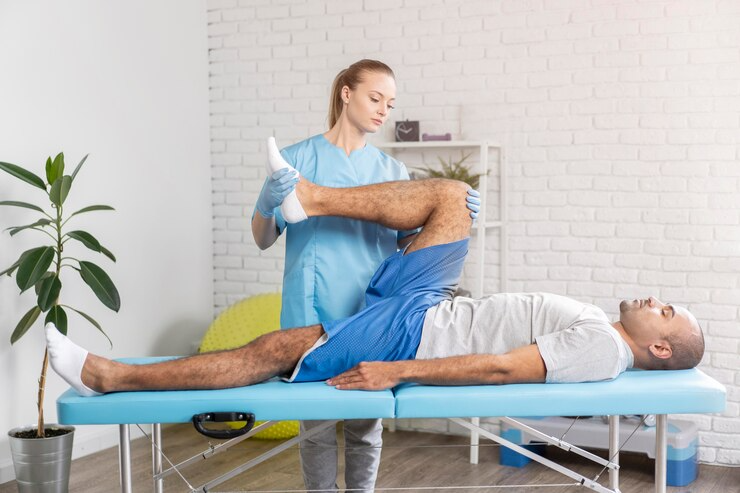
Why is GS Physiotherapy Considered the Best Physiotherapy Clinic in Gurgaon?
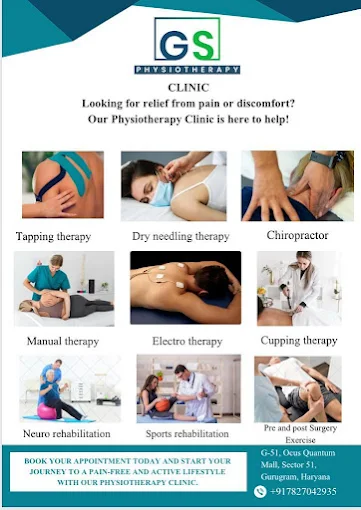
क्यों GS Physiotherapy को गुड़गांव में सर्वश्रेष्ठ फिजियोथेरेपी क्लिनिक माना जाता है?
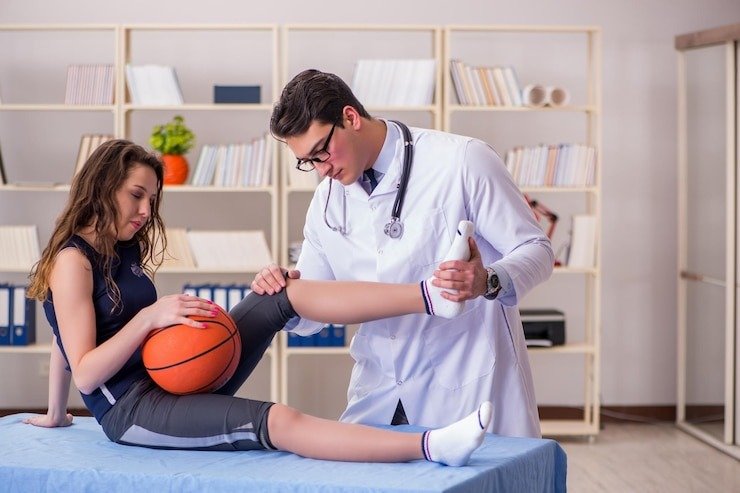
What Techniques Are Used at GS Physiotherapy for Tennis Elbow Relief?