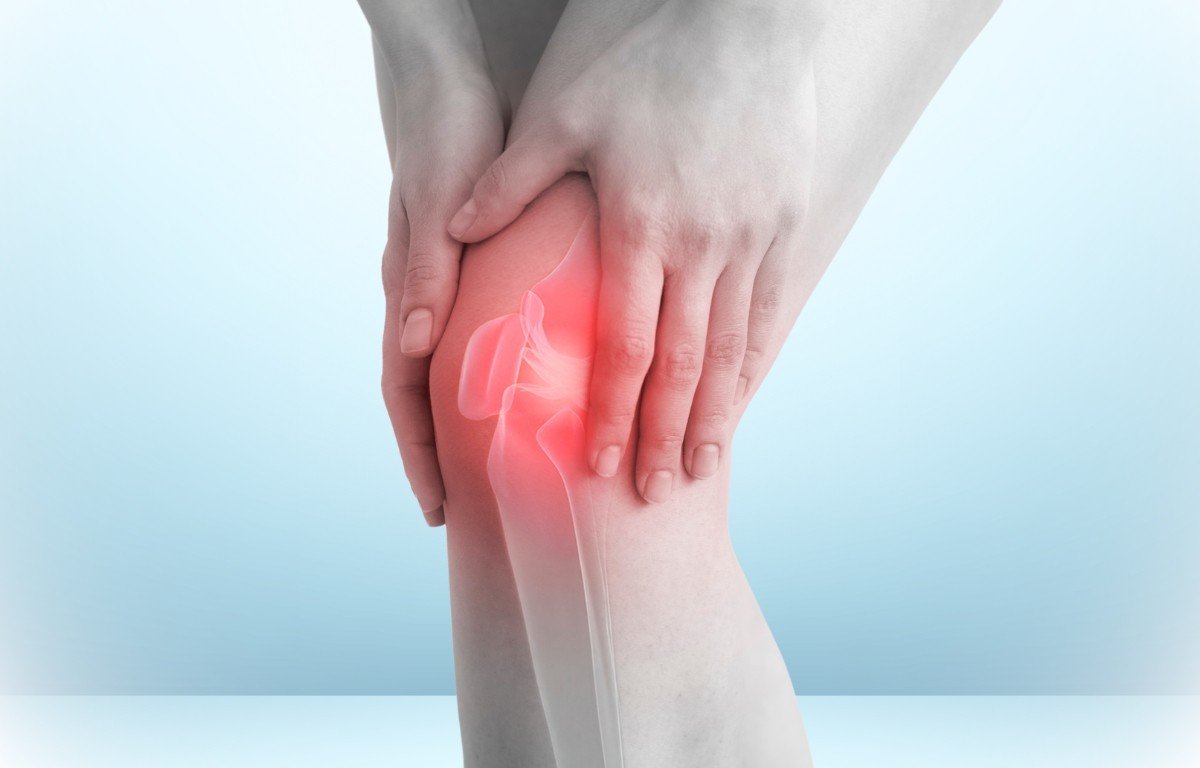
What is Knee Pain Physiotherapy in Gurugram and How Does It Help?
Knee pain can make everyday activities such as walking, climbing stairs, sitting, standing, or exercising uncomfortable. Knee Pain Physiotherapy in Gurugram is a non-invasive approach that focuses on reducing pain, improving knee movement, strengthening supporting muscles, and helping patients return to their daily activities. At GS Physiotherapy, treatment is planned according to the individual's symptoms, physical condition, movement limitations, and recovery goals.
For fast notification, contact us on WhatsApp.
What Is Knee Pain Physiotherapy?
Knee pain physiotherapy involves a combination of assessment, therapeutic exercises, manual techniques, movement training, and other appropriate physiotherapy methods. The main goal is not only to manage pain but also to understand the factors contributing to the problem.
Knee pain may develop due to several reasons. These can include osteoarthritis, sports injuries, ligament injuries, meniscus problems, tendinitis, bursitis, overuse, muscle weakness, or recovery after knee surgery.
A physiotherapist assesses your movement and identifies areas that may be affecting your knee function. Based on the assessment, an individualized treatment plan can be developed.
How Does Knee Pain Physiotherapy in Gurugram Help?
Knee Pain Physiotherapy in Gurugram can support recovery by addressing pain, stiffness, weakness, reduced flexibility, and difficulty with movement.
The treatment approach may include:
Therapeutic exercises
Knee and joint mobility exercises
Muscle-strengthening exercises
Manual therapy
Flexibility training
Balance and coordination exercises
Gait and movement correction
Pain-management techniques
Post-surgical rehabilitation
The exact treatment depends on the cause and severity of the knee problem. Not every patient requires the same exercises or techniques.
Common Causes of Knee Pain
Understanding the possible cause of knee pain is an important part of rehabilitation. Some common causes include:
Osteoarthritis
Knee osteoarthritis can cause pain, stiffness, swelling, and difficulty with activities such as walking or climbing stairs. Physiotherapy may help improve strength and movement while supporting functional activity.
Sports Injuries
Running, jumping, sudden changes in direction, or contact sports can place significant stress on the knee. Injuries involving ligaments, muscles, tendons, or the meniscus may require structured rehabilitation.
Ligament Injuries
ACL, PCL, MCL, and LCL injuries can affect knee stability. Physiotherapy can be an important part of rehabilitation by progressively restoring strength, balance, movement, and functional control.
Meniscus Problems
A meniscus injury may cause pain, swelling, stiffness, or difficulty moving the knee. Treatment depends on the injury and may involve physiotherapy or referral for further medical assessment when required.
Post-Surgical Knee Rehabilitation
After procedures such as knee replacement or ligament surgery, rehabilitation can help restore movement and gradually rebuild strength. The exercise programme should be progressed according to healing and medical advice.
GS Physiotherapy lists knee pain, osteoarthritis, ligament injuries, meniscus tears, patellar tracking problems, sports injuries, cartilage-related problems, and post-surgical rehabilitation among the conditions it addresses.
What Happens During Knee Pain Physiotherapy?
A physiotherapy programme generally begins with an assessment. The physiotherapist may ask about your symptoms, previous injuries, medical history, activity level, and daily limitations.
The assessment may also include observing walking patterns, knee movement, muscle strength, flexibility, balance, and functional movements.
At GS Physiotherapy, the knee-pain service describes assessment methods such as medical history review, gait analysis, functional movement screening, and orthopedic or neurological testing.
After assessment, the physiotherapist can develop a treatment plan based on your individual needs.
Exercises Used for Knee Pain
Exercise is often an important part of knee rehabilitation. Depending on the condition, a physiotherapist may recommend exercises designed to improve:
Quadriceps strength
Hamstring strength
Hip and glute strength
Knee flexibility
Joint mobility
Balance
Coordination
Functional movement
Strengthening the muscles around the knee and hip can provide better support during everyday activities. However, exercises should be selected and progressed according to the patient's condition rather than followed from a generic routine.
Role of Manual Therapy in Knee Rehabilitation
Manual therapy may be used alongside exercise when appropriate. Techniques can include joint mobilization and soft-tissue techniques to help manage stiffness and improve movement.
Manual therapy is generally most useful when it forms part of a broader rehabilitation programme rather than being the only treatment approach.
GS Physiotherapy describes joint mobilization, soft-tissue release, and myofascial techniques as part of its approach to knee pain management.
Knee Pain Physiotherapy in Gurugram for Different Age Groups
Knee problems can affect people at different stages of life.
Older adults may experience knee pain associated with osteoarthritis or reduced muscle strength. Younger adults may develop knee problems because of sports, exercise, overuse, or injuries.
Physiotherapy can be adapted according to age, physical ability, lifestyle, and treatment goals. The focus may be on improving daily mobility for one person and returning to sports or exercise for another.
When Should You Consider Physiotherapy for Knee Pain?
You may consider a physiotherapy assessment if knee pain is affecting your daily routine or physical activity.
Common signs that may warrant professional assessment include:
Persistent knee pain
Stiffness after sitting or resting
Difficulty climbing stairs
Pain while walking or standing
Swelling or tenderness
Reduced knee movement
Weakness around the knee
Difficulty returning to exercise
Recovery after knee surgery or injury
Symptoms such as significant swelling, inability to bear weight, severe injury, sudden instability, or severe pain should be medically assessed promptly.
Benefits of Knee Pain Physiotherapy in Gurugram
A structured Knee Pain Physiotherapy in Gurugram programme may help patients work toward several functional goals, including:
Better Mobility
Targeted mobility exercises can help improve the range of movement needed for walking, sitting, standing, and other daily activities.
Improved Muscle Strength
Strengthening the quadriceps, hamstrings, hips, and other supporting muscles can improve functional knee support.
Better Balance and Stability
Balance and proprioception exercises can help improve control of the lower limb during movement.
Support During Recovery
Physiotherapy can provide structured rehabilitation following certain injuries and surgical procedures.
Improved Movement Patterns
Gait and movement assessment can help identify movement patterns that may be contributing to unnecessary stress on the knee.
Why Choose GS Physiotherapy for Knee Pain?
GS Physiotherapy provides personalized physiotherapy services in Gurugram, with its clinic located at Ocus Quantum, Sector 51. Its knee-pain programme emphasizes individualized assessment and treatment rather than a one-size-fits-all approach.
The clinic provides orthopedic physiotherapy, manual therapy, exercise therapy, electrotherapy, sports physiotherapy, and other rehabilitation services.
A personalized programme can be particularly useful because knee pain can have different causes, and treatment should be based on the individual's symptoms, physical findings, and functional goals.
Frequently Asked Questions About Knee Pain Physiotherapy
1. Can physiotherapy help with knee pain?
Yes. Physiotherapy can help manage many types of knee pain by addressing strength, flexibility, mobility, balance, movement patterns, and functional limitations. The appropriate treatment depends on the underlying cause.
2. Is physiotherapy useful for knee arthritis?
Physiotherapy may help people with knee arthritis improve muscle strength, mobility, physical function, and tolerance for everyday activities. A programme should be adjusted according to symptoms and physical ability.
3. Can I have physiotherapy after knee surgery?
Yes. Physiotherapy is commonly used as part of rehabilitation following certain knee surgeries. The exercises and progression should follow the surgical recovery plan and the advice of the treating healthcare professionals.
4. How long does knee physiotherapy take to show results?
Recovery time varies depending on the cause of knee pain, severity, general health, activity level, and consistency with the treatment programme. Some people notice functional improvements relatively early, while others require longer rehabilitation.
5. Should I exercise when my knee hurts?
Some forms of exercise may be appropriate, but the right exercises depend on the cause and severity of the pain. Exercises that significantly increase pain should not be continued without professional guidance. A physiotherapist can recommend suitable movements and progression.
Conclusion
Knee pain can interfere with mobility, exercise, work, and everyday activities, but appropriate rehabilitation can help improve physical function. Knee Pain Physiotherapy in Gurugram focuses on understanding the underlying problem and developing a structured programme involving exercises, mobility work, strengthening, manual techniques, and functional rehabilitation where appropriate.
At GS Physiotherapy, treatment is personalized according to the patient's condition and recovery goals. If persistent knee pain is affecting your daily life, a professional physiotherapy assessment can help determine the appropriate next steps.
For more information about GS Physiotherapy, visit https://gsphysiotherapy.in/ to learn more about their services or to book an appointment.
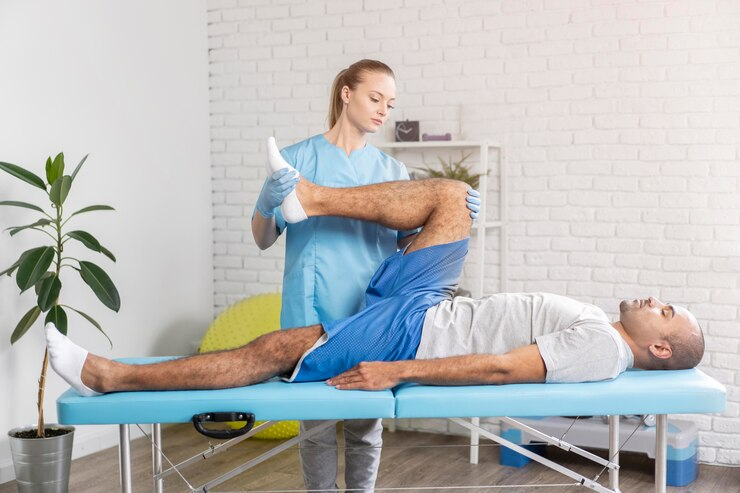
Why is GS Physiotherapy Considered the Best Physiotherapy Clinic in Gurgaon?
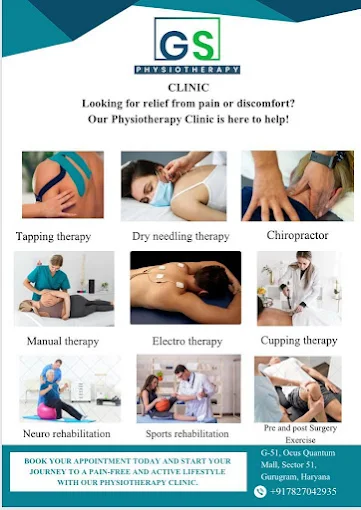
क्यों GS Physiotherapy को गुड़गांव में सर्वश्रेष्ठ फिजियोथेरेपी क्लिनिक माना जाता है?
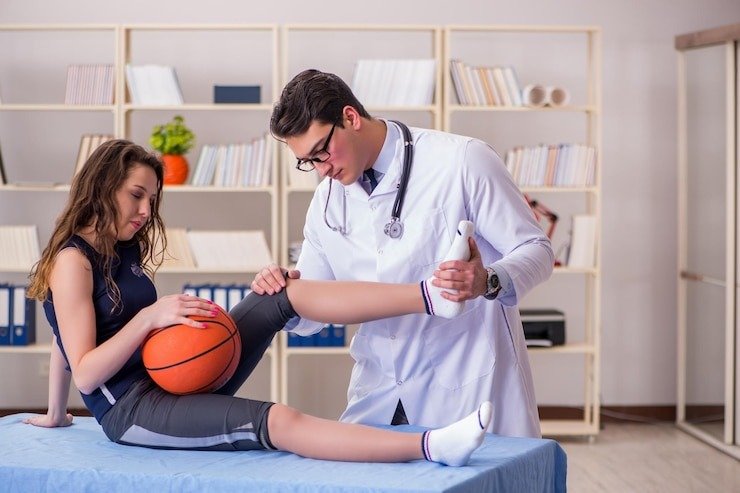
What Techniques Are Used at GS Physiotherapy for Tennis Elbow Relief?