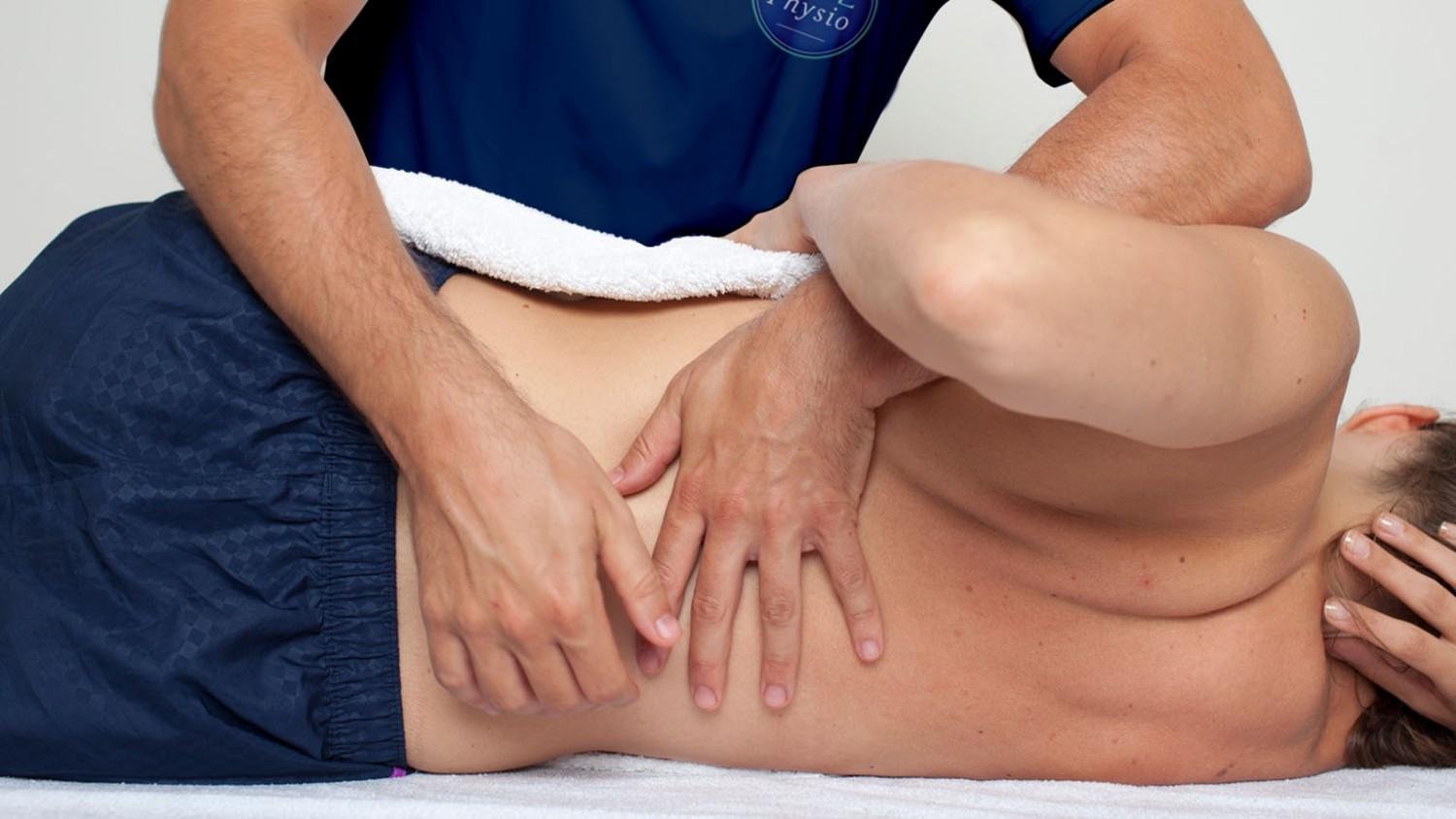
What physiotherapy treatments are commonly used for lower back pain?
Lower back pain is a common problem that can affect people of all ages. It may develop because of prolonged sitting, poor posture, muscle strain, sports injuries, spinal problems, or daily physical stress. For many people, the pain can make simple activities such as walking, bending, sitting, or sleeping uncomfortable.
If you are looking for Low Back Pain Physiotherapy in Gurugram, physiotherapy can be an important part of managing pain and improving movement. A physiotherapist can assess your symptoms, identify movement limitations, and create a treatment plan based on your individual needs.
At GS Physiotherapy, treatment for back pain may include exercise therapy, manual techniques, electrotherapy, posture and ergonomic guidance, and other rehabilitation approaches.
For fast notification, contact us on WhatsApp.
Why Is Physiotherapy Helpful for Lower Back Pain?
Physiotherapy focuses on more than temporary pain relief. The goal is to improve how your back and surrounding muscles function.
A personalized program can help improve flexibility, strength, mobility, and movement control. It can also help you understand which activities may be contributing to your discomfort.
However, treatment is not the same for everyone. Your physiotherapist may modify the exercises and techniques depending on the cause, severity, and duration of your pain.
Common Physiotherapy Treatments for Lower Back Pain
1. Manual Therapy for Back Pain
Manual therapy is a hands-on treatment used to improve movement and reduce discomfort. It may involve soft tissue techniques, joint mobilization, or other controlled manual methods.
These techniques can help reduce muscle tightness and stiffness. They may also make it easier to perform therapeutic exercises.
Manual therapy is often combined with active rehabilitation rather than being used as the only treatment.
2. Therapeutic Exercises
Exercise therapy is one of the most important parts of long-term back pain rehabilitation.
Your physiotherapist may recommend exercises that improve:
Core strength
Hip and glute strength
Flexibility
Spinal mobility
Postural control
Functional movement
Exercises are usually progressed gradually. This approach helps your body adapt while reducing the risk of overloading painful tissues.
For people seeking Low Back Pain Physiotherapy in Gurugram, a customized exercise plan can be particularly useful because it can be adjusted according to your daily activities and recovery goals.
3. Core Strengthening Exercises
The muscles around your abdomen, pelvis, hips, and lower back help support your body during movement.
When these muscles are weak or poorly coordinated, certain movements may place additional stress on the lower back.
A physiotherapist may therefore include controlled core exercises in your rehabilitation plan. These exercises can improve stability and movement control.
The focus should be on correct technique rather than simply doing a large number of repetitions.
4. Spinal Mobilization
Spinal mobilization involves controlled movements applied to the spine by a trained physiotherapist.
The purpose is to improve spinal movement and reduce stiffness. It may be considered when restricted mobility is contributing to discomfort.
The technique and intensity depend on your assessment. Gentle treatment may be appropriate for some people, while others may require a different approach.
5. Electrotherapy
Electrotherapy may be used as part of physiotherapy for pain management. Depending on the individual case, modalities such as TENS or other therapeutic electrical treatments may be considered.
Electrotherapy can sometimes help reduce pain enough to make movement and exercise more comfortable.
At GS Physiotherapy, electrotherapy is among the available physiotherapy services.
It is important to remember that passive treatments are generally most useful when they support an active rehabilitation program.
6. Posture Correction and Ergonomic Advice
Poor sitting habits and unsuitable workstation setups can contribute to recurring back discomfort.
This is especially relevant for people who spend several hours working at a desk.
A physiotherapist may guide you on:
Sitting posture
Desk and chair positioning
Safe lifting techniques
Standing habits
Taking movement breaks
Sleeping positions
Everyday back-care habits
These changes can make your rehabilitation more practical because they address the activities you perform every day.
7. Stretching and Flexibility Exercises
Tight muscles around the hips, legs, and lower back can sometimes affect movement.
Your physiotherapist may prescribe gentle stretching exercises to improve flexibility and movement quality.
Stretching should feel controlled. You should not force a movement or continue an exercise that significantly increases your pain.
8. Dry Needling and Other Physiotherapy Techniques
In selected cases, a physiotherapist may use dry needling to address specific muscular problems or areas of increased muscle tension.
GS Physiotherapy lists dry needling among its available services, along with manual therapy, exercise therapy, electrotherapy, IASTM, shockwave therapy, and other treatment options.
Not every technique is suitable for every patient. Your physiotherapist should decide whether a particular treatment is appropriate after assessment.
What Can You Expect During Low Back Pain Physiotherapy in Gurugram?
Your first physiotherapy session may begin with an assessment.
The physiotherapist may ask about your symptoms, medical history, daily activities, pain pattern, and previous injuries. They may also assess your posture, spinal movement, muscle strength, flexibility, and functional movements.
After the assessment, a treatment plan can be created.
For Low Back Pain Physiotherapy in Gurugram, the plan may combine hands-on treatment, exercise, education, and lifestyle guidance. GS Physiotherapy describes its back pain rehabilitation as personalized according to individual needs and aimed at reducing pain, restoring mobility, and improving quality of life.
When Should You Consider Physiotherapy for Back Pain?
You may consider professional physiotherapy if your back pain is affecting your work, exercise, sleep, or everyday activities.
It is also worth seeking an assessment if the pain keeps returning or your movement has become limited.
However, severe or unusual symptoms need medical attention. Seek prompt medical evaluation if back pain occurs with significant weakness, loss of bladder or bowel control, numbness around the groin or saddle area, fever, unexplained weight loss, or following serious trauma.
How to Support Your Recovery at Home
Your daily habits can support your physiotherapy program.
Try to stay gently active instead of remaining in bed for long periods. Follow the exercises prescribed by your physiotherapist and avoid suddenly increasing heavy lifting or strenuous activity.
If you work at a desk, take regular movement breaks. Also, pay attention to your sitting position and workstation setup.
Most importantly, follow an individualized plan instead of copying exercises from the internet. The right exercise depends on the underlying problem and your current physical condition.
Conclusion
Lower back pain can interfere with work, exercise, sleep, and everyday movement. Fortunately, physiotherapy can provide a structured approach to improving pain and physical function.
Low Back Pain Physiotherapy in Gurugram may include manual therapy, therapeutic exercises, core strengthening, spinal mobilization, electrotherapy, stretching, posture correction, and other techniques when appropriate.
At GS Physiotherapy, treatment can be tailored to your symptoms, movement limitations, and recovery goals.
The key to successful rehabilitation is not simply reducing pain. It is also improving strength, movement, confidence, and the ability to manage your back in everyday life.
Frequently Asked Questions
1. What physiotherapy treatment is commonly used for lower back pain?
Common approaches include therapeutic exercises, manual therapy, stretching, spinal mobility exercises, posture correction, and selected electrotherapy techniques. The treatment depends on the individual's condition.
2. Can exercise help with lower back pain?
Yes. Appropriate exercises can help improve muscle strength, flexibility, mobility, and movement control. A physiotherapist can select and progress exercises according to your condition.
3. How does manual therapy help lower back pain?
Manual therapy uses hands-on techniques to address stiffness and muscle or joint-related movement restrictions. It may help make movement more comfortable and support an active rehabilitation program.
4. Is electrotherapy useful for back pain?
Electrotherapy may be used for pain management in some cases. However, it is generally considered alongside active treatments such as exercise and movement rehabilitation rather than as a complete treatment by itself.
5. Why choose Low Back Pain Physiotherapy in Gurugram?
Professional physiotherapy provides an individualized assessment and treatment plan. It can combine pain-management techniques, exercises, posture education, and rehabilitation strategies based on your specific needs.

Why is GS Physiotherapy Considered the Best Physiotherapy Clinic in Gurgaon?
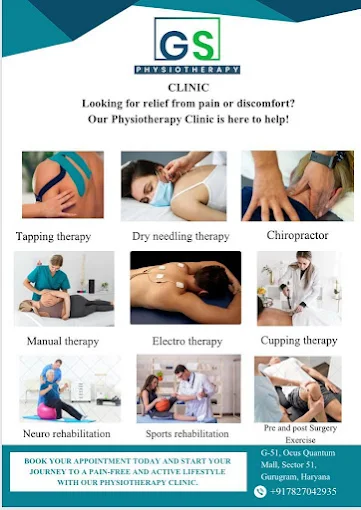
क्यों GS Physiotherapy को गुड़गांव में सर्वश्रेष्ठ फिजियोथेरेपी क्लिनिक माना जाता है?

What Techniques Are Used at GS Physiotherapy for Tennis Elbow Relief?