
What Are the Different Types of Physiotherapy Treatments Available in Gurgaon?
Pain, stiffness, and limited movement can affect your daily life in many ways. Sitting for long hours, sports injuries, poor posture, or recovering from surgery can make even simple activities uncomfortable. Physiotherapy Treatment in Gurgaon can help improve mobility, manage pain, restore strength, and support recovery through personalized rehabilitation programs.
At GS Physiotherapy, treatment focuses on understanding each patient's condition and physical goals. Different physiotherapy techniques are used to address joint problems, muscle injuries, neurological conditions, and movement difficulties. The right approach depends on your symptoms, medical history, and recovery needs.
For fast notification, contact us on WhatsApp.
What Is Physiotherapy and Why Is It Important?
Physiotherapy is a healthcare approach that helps people improve movement, flexibility, strength, and physical function. It combines therapeutic exercises, hands-on techniques, movement training, and other suitable treatment methods.
Physiotherapy may benefit people with acute injuries, long-term pain, mobility limitations, and post-surgical conditions. It can also help prevent recurring injuries by improving posture, muscle strength, balance, and movement patterns.
A qualified physiotherapist assesses your condition before recommending a treatment plan. This ensures that the exercises and techniques match your abilities and recovery goals.
Different Types of Physiotherapy Treatments Available in Gurgaon
Several physiotherapy treatments are available to address different health conditions. Here are some commonly used options.
1. Orthopedic Physiotherapy
Orthopedic physiotherapy focuses on problems affecting muscles, bones, joints, ligaments, and tendons. It is commonly recommended for back pain, neck pain, arthritis, frozen shoulder, knee pain, and joint stiffness.
Treatment may include strengthening exercises, stretching, joint mobilisation, and movement training. These techniques help improve flexibility and support better joint function.
People recovering from fractures or experiencing difficulty walking may also benefit from orthopedic rehabilitation. The treatment plan is adjusted according to the injury and the patient's progress.
2. Sports Physiotherapy
Sports physiotherapy helps athletes and physically active individuals recover from exercise-related injuries. Common problems include muscle strains, ligament injuries, ankle sprains, tennis elbow, and shoulder injuries.
Treatment focuses on reducing pain, restoring strength, and improving flexibility. Physiotherapists may also recommend balance exercises and sport-specific movements.
The goal is to help patients return to their usual activities safely. Injury prevention guidance can further reduce the risk of future problems.
3. Neurological Physiotherapy
Neurological physiotherapy supports people whose movement and coordination are affected by conditions involving the brain, spinal cord, or nerves.
It may be useful for patients recovering from a stroke or living with conditions such as Parkinson's disease. Treatment can include balance training, walking practice, coordination exercises, and functional movement activities.
Each program is designed around the patient's abilities and daily needs. Regular rehabilitation can help improve independence and make everyday activities easier.
4. Post-Surgical Rehabilitation
Recovery does not always end after surgery. Patients may need rehabilitation to regain movement, rebuild muscle strength, and return to daily activities.
Post-surgical physiotherapy may be recommended after knee replacement, hip replacement, ligament repair, or certain spinal procedures.
The physiotherapist follows the surgeon's precautions and develops a suitable recovery plan. Exercises are introduced gradually to avoid unnecessary strain and support safe progress.
5. Manual Therapy
Manual therapy involves hands-on techniques used to address joint stiffness, muscle tension, and restricted movement.
Depending on the condition, a physiotherapist may use soft-tissue techniques, joint mobilisation, or other appropriate manual methods. These techniques are often combined with exercises for better functional results.
Manual therapy may help patients move more comfortably. However, it is not suitable for every condition, so an assessment is important before treatment begins.
6. Exercise Therapy
Exercise therapy is an essential part of many physiotherapy programs. It uses planned physical activities to improve strength, flexibility, endurance, balance, and coordination.
Exercises may include stretching, resistance training, posture correction, and controlled movement practice. The difficulty level is adjusted according to the patient's condition and physical capacity.
For example, someone with knee pain may need strengthening exercises, while a person recovering from a shoulder injury may require mobility training.
Consistent practice at home, as advised by the physiotherapist, can support long-term progress.
7. Electrotherapy
Electrotherapy uses specific forms of electrical stimulation or other therapeutic energy to help manage selected musculoskeletal conditions.
Depending on the technique, it may help with temporary pain relief or muscle stimulation. Some treatment plans use modalities such as TENS alongside exercise and other rehabilitation methods.
Electrotherapy is not a replacement for a complete rehabilitation program. Its suitability depends on the patient's symptoms, medical history, and any relevant contraindications.
8. Dry Needling and Soft-Tissue Techniques
Dry needling involves inserting fine, sterile needles into selected muscle trigger points by a suitably trained practitioner. It may be used to help manage certain types of muscular pain and improve movement.
Other soft-tissue techniques may address muscle tightness and restricted mobility. The choice depends on the underlying problem and the patient's comfort.
These treatments should only be provided after an appropriate assessment. They are often combined with exercises and movement education rather than used alone.
9. Pediatric Physiotherapy
Pediatric physiotherapy focuses on children's movement, strength, balance, and physical development.
It may support children experiencing developmental delays, coordination difficulties, or movement limitations related to certain medical conditions. Treatment often uses age-appropriate exercises and play-based activities.
The program is tailored to the child's developmental stage and individual needs. Parents may also receive guidance on safe activities that support progress at home.
10. Physiotherapy at Home
Some patients find it difficult to travel to a clinic because of pain, limited mobility, surgery, or age-related challenges.
Home physiotherapy allows patients to receive professional rehabilitation in a familiar environment. Sessions may focus on walking practice, strength building, balance, joint mobility, and functional activities.
GS Physiotherapy offers home physiotherapy services in Gurgaon, providing an option for people who need treatment at home. The suitability of home sessions depends on the patient's condition and clinical requirements.
How to Choose the Right Physiotherapy Treatment in Gurgaon
Choosing the right treatment begins with understanding the cause of your symptoms. A physiotherapist should assess your medical history, movement, strength, pain levels, and daily activity limitations before recommending specific techniques.
Consider these factors when selecting a physiotherapy service:
Qualified professionals: Choose trained physiotherapists with relevant clinical experience.
Personalized care: Treatment should match your condition and recovery goals.
Clear progress monitoring: Your plan should be reviewed as your condition changes.
Exercise guidance: You should understand how to perform recommended exercises safely.
Convenient access: Consider clinic visits or home sessions according to your needs.
At GS Physiotherapy, treatment plans are tailored to the patient's condition and may combine therapeutic exercises, manual techniques, and appropriate treatment modalities.
Benefits of Physiotherapy Treatment in Gurgaon
A structured rehabilitation program can offer several benefits when the treatment is appropriate for your condition.
Helps manage certain types of pain and stiffness.
Improves flexibility, strength, and joint mobility.
Supports recovery after injuries and surgery.
Helps improve balance and coordination.
Encourages better posture and movement habits.
Supports greater independence in everyday activities.
Results vary depending on the condition, its severity, consistency with treatment, and individual health factors. Some patients improve within a few sessions, while others need a longer rehabilitation program.
Why Consider GS Physiotherapy in Gurgaon?
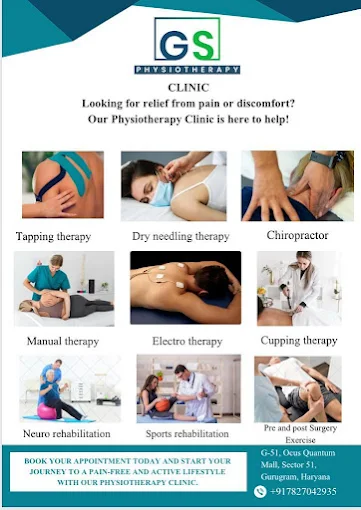
GS Physiotherapy provides rehabilitation services for people experiencing pain, injuries, movement difficulties, and post-surgical recovery needs. Its services include orthopedic physiotherapy, sports physiotherapy, neurological physiotherapy, manual therapy, exercise therapy, and home physiotherapy.
The clinic is located at Ground, Ocus Quantum, G-51, Mall Sector-51, Gurugram, Haryana 122003.
For treatment enquiries, you can contact the clinic at +91 7827042935 or email gsphysio51@gmail.com.
An initial assessment can help determine which treatment options are appropriate for your condition and what your rehabilitation plan may involve.
Conclusion
Understanding the different types of physiotherapy treatments can help you make informed decisions about your physical health. From orthopedic and sports physiotherapy to neurological rehabilitation and home-based care, each approach serves different needs.
Physiotherapy Treatment in Gurgaon can support pain management, improve movement, and help patients regain confidence in daily activities when guided by a qualified professional. The most suitable treatment depends on your condition, health history, and recovery goals.
At GS Physiotherapy, a personalized rehabilitation plan can help you work towards improved mobility and physical function. If pain, stiffness, or limited movement is affecting your routine, consider arranging an assessment to discuss suitable treatment options.
Frequently Asked Questions (FAQs)
1. What are the different types of physiotherapy treatments available in Gurgaon?
Common options include orthopedic, sports, neurological, pediatric, and post-surgical physiotherapy. Manual therapy, exercise therapy, electrotherapy, and home physiotherapy may also be used according to the patient's condition.
2. Which physiotherapy treatment is best for back pain?
The appropriate treatment depends on the cause and severity of the back pain. A physiotherapist may recommend mobility exercises, strengthening, posture education, and selected manual techniques after an assessment.
3. Can physiotherapy help after surgery?
Yes. Post-surgical physiotherapy can help restore movement, improve strength, and support functional recovery. The exercises and treatment schedule should follow the surgeon's instructions and the patient's healing progress.
4. How many physiotherapy sessions are usually required?
The number of sessions varies according to the condition, symptom severity, and response to treatment. Some patients need only a short course, while others require several weeks or longer.
5. Does GS Physiotherapy provide home physiotherapy in Gurgaon?
Yes. GS Physiotherapy offers home physiotherapy services in Gurgaon for suitable patients who prefer or require treatment at home. Contact the clinic to discuss availability and your rehabilitation needs.

Why is GS Physiotherapy Considered the Best Physiotherapy Clinic in Gurgaon?
क्यों GS Physiotherapy को गुड़गांव में सर्वश्रेष्ठ फिजियोथेरेपी क्लिनिक माना जाता है?

What Techniques Are Used at GS Physiotherapy for Tennis Elbow Relief?