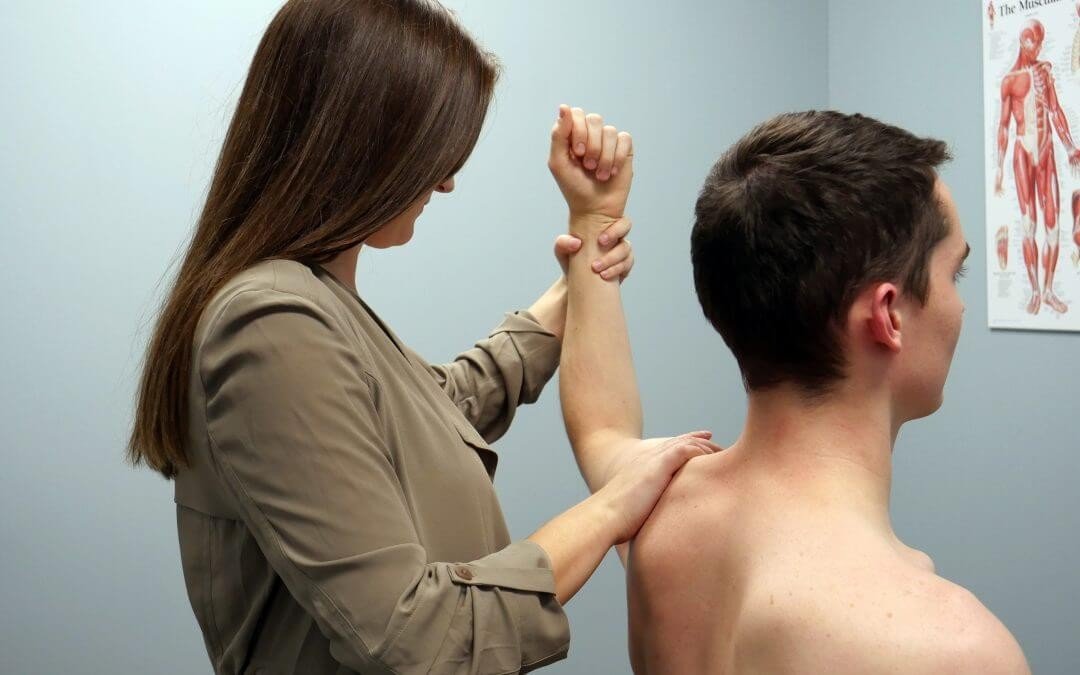
What Are the Most Common Shoulder Conditions Treated at GS Physiotherapy?
Shoulder pain can make everyday activities difficult, from lifting your arm and getting dressed to working at a desk or sleeping comfortably. Shoulder Pain Physiotherapy in Gurugram can help people manage pain, improve mobility, and regain strength through an individualised treatment plan. At GS Physiotherapy, understanding the cause of shoulder discomfort is an important step towards choosing appropriate rehabilitation.
For fast notification, contact us on WhatsApp.
Shoulder problems can develop gradually because of repetitive movements, poor posture, or age-related changes. They can also occur suddenly after a fall, sports injury, or heavy lifting. Identifying the underlying condition helps determine which exercises and treatments may be suitable.
What Are the Most Common Shoulder Conditions?
The shoulder is a complex joint that depends on muscles, tendons, ligaments, and surrounding tissues for stability and movement. Problems affecting these structures can cause pain, weakness, or stiffness.
The following are some common shoulder conditions that may benefit from physiotherapy.
1. Frozen Shoulder (Adhesive Capsulitis)
Frozen shoulder is a condition that causes pain and stiffness around the shoulder joint. It often develops gradually, making it difficult to raise the arm, reach behind the back, or perform routine activities.
People with diabetes may have a higher risk of developing this condition. Frozen shoulder can also develop after an injury or a period of reduced shoulder movement.
How Can Physiotherapy Help?
Physiotherapy aims to reduce discomfort and gradually restore movement. Treatment may include gentle mobility exercises, stretching, and progressive strengthening.
The exercise programme should match the stage of the condition. Forcing the shoulder through painful movements may increase discomfort, so gradual progression is important.
2. Rotator Cuff Injuries
The rotator cuff consists of muscles and tendons that help stabilise the shoulder and control arm movement. These tissues can become irritated through repetitive overhead activities, sports, or age-related changes. A sudden injury can also cause a tendon tear.
Common symptoms include pain when lifting the arm, weakness, and discomfort while sleeping on the affected side.
Role of Shoulder Physiotherapy
Shoulder Pain Physiotherapy in Gurugram may help manage rotator cuff-related pain through targeted exercises and movement training.
A physiotherapist may assess shoulder strength, flexibility, and movement control. Depending on the findings, treatment may include gentle range-of-motion exercises and progressive strengthening.
However, a significant tendon tear may require medical assessment and additional treatment. Physiotherapy should be adapted to the diagnosis and severity of the injury.
3. Shoulder Impingement and Tendinitis
Shoulder impingement is a term commonly used for pain associated with structures around the rotator cuff. Tendinitis refers to irritation of a tendon.
These problems may develop in people who frequently lift their arms overhead. Swimmers, tennis players, gym users, and people performing repetitive tasks may experience related symptoms.
Typical signs include pain while reaching overhead, discomfort when lifting objects, and pain during certain shoulder movements.
Treatment Options for Shoulder Impingement
Physiotherapy may involve modifying painful activities, improving shoulder mobility, and strengthening the rotator cuff and shoulder blade muscles.
A physiotherapist may also review posture and movement patterns that place excessive demands on the shoulder.
The aim is to improve shoulder function while gradually returning to normal activities. Treatment should be based on an assessment because several shoulder conditions can produce similar symptoms.
4. Shoulder Bursitis
Bursae are small, fluid-filled sacs that help reduce friction between tissues around a joint. When a shoulder bursa becomes irritated, it can cause pain and tenderness.
Shoulder bursitis may occur alongside rotator cuff problems. Pain can become more noticeable when lifting the arm, reaching overhead, or lying on the affected shoulder.
How Can Physiotherapy Support Recovery?
Treatment may include temporary activity modification, comfortable movement exercises, and gradual strengthening when appropriate.
Your physiotherapist can help identify movements that aggravate symptoms and suggest safer alternatives. If pain persists or becomes severe, further medical evaluation may be necessary to confirm the diagnosis and rule out other causes.
5. Shoulder Dislocation and Instability
A shoulder dislocation occurs when the upper arm bone moves out of its normal position in the shoulder socket. Instability may also occur when the joint repeatedly feels as though it is slipping out of place.
These problems can result from falls, contact sports, or sudden injuries. Symptoms may include severe pain, weakness, swelling, and difficulty moving the arm.
Physiotherapy After a Shoulder Injury
A suspected dislocation requires urgent medical assessment. The joint should not be forced back into position without appropriate medical care.
After the injury has been treated and rehabilitation is considered safe, physiotherapy may help restore movement, strengthen supporting muscles, and improve joint control.
The rehabilitation programme depends on the severity of the injury and whether surgery was required.
6. Shoulder Arthritis
Shoulder arthritis involves changes to the joint that can lead to pain, stiffness, and reduced mobility. Symptoms may develop gradually and become more noticeable during everyday activities.
Some people experience discomfort when reaching overhead, lifting objects, or moving their arm after periods of rest.
Can Physiotherapy Help With Shoulder Arthritis?
Physiotherapy may help maintain comfortable movement and improve the strength of surrounding muscles. Gentle mobility exercises and appropriate strengthening can support daily function.
A physiotherapist may also recommend activity modifications to reduce unnecessary strain on the joint.
Although physiotherapy cannot reverse arthritis, an appropriate programme may help manage symptoms. Treatment should be adjusted to the person's pain levels, mobility, and overall health.
7. Shoulder Muscle Strains and Sports Injuries
Sudden lifting, repetitive gym exercises, throwing, and other sporting activities can strain the muscles around the shoulder.
Symptoms may include tenderness, pain during movement, and temporary weakness. The severity can range from mild muscle irritation to a more substantial injury.
Rehabilitation for Shoulder Sports Injuries
Treatment depends on the type and severity of the injury. A physiotherapist may recommend appropriate activity modification followed by gradual mobility and strengthening exercises.
Athletes may also need exercises that improve coordination, shoulder stability, and control during sport-specific movements.
Returning to exercise too quickly can aggravate an injury. Therefore, rehabilitation should progress according to symptoms, strength, and functional recovery.
What to Expect During Shoulder Pain Physiotherapy in Gurugram
An effective rehabilitation programme begins with understanding your symptoms and daily activities.
At GS Physiotherapy, an assessment-led approach can help guide suitable treatment. Depending on the services available and the patient's needs, a physiotherapy programme may include:
Initial assessment: Reviewing symptoms, medical history, and shoulder movement.
Pain management: Identifying activities that aggravate discomfort and adjusting them appropriately.
Mobility exercises: Improving shoulder movement within comfortable limits.
Strengthening exercises: Supporting the rotator cuff and surrounding muscles.
Posture and movement guidance: Improving everyday movement habits.
Home exercise plans: Supporting progress between physiotherapy sessions.
The number of sessions required varies according to the condition, its severity, and the individual's response to treatment.
When Should You Seek Professional Help?
You should seek an assessment if shoulder pain continues, limits everyday activities, affects sleep, or does not improve with appropriate self-care.
Seek urgent medical attention if you experience sudden severe pain, an obvious deformity, an inability to move your arm after an injury, or persistent numbness. Shoulder pain accompanied by chest pain, breathlessness, sweating, or pain spreading to the jaw requires emergency assessment.
Early evaluation can help identify the cause of symptoms and determine whether physiotherapy or other medical treatment is appropriate.
Conclusion
Shoulder conditions such as frozen shoulder, rotator cuff injuries, tendinitis, bursitis, instability, and arthritis can affect movement and quality of life. Although these conditions may share similar symptoms, their treatment requirements can differ significantly.
Shoulder Pain Physiotherapy in Gurugram can support recovery through individual assessment, appropriate exercises, and progressive rehabilitation. At GS Physiotherapy, the focus should be on understanding each patient's needs and helping them work towards improved mobility, strength, and daily function.
If shoulder discomfort is affecting your routine, consider seeking a professional assessment to understand its cause and explore suitable treatment options.
Frequently Asked Questions
1. Which shoulder conditions can physiotherapy help manage?
Physiotherapy may help manage frozen shoulder, rotator cuff-related pain, tendinitis, bursitis, some muscle strains, and shoulder stiffness. The appropriate treatment depends on the diagnosis and severity of the condition.
2. How long does shoulder physiotherapy take to work?
Recovery time varies. Mild shoulder problems may improve within several weeks, while frozen shoulder, significant tendon injuries, and long-standing conditions may require a longer rehabilitation period.
3. Can physiotherapy help with frozen shoulder?
Yes. A suitable programme may help reduce functional limitations and gradually improve shoulder movement through carefully selected mobility exercises and stretching.
4. Should I exercise when my shoulder hurts?
Gentle movement may be helpful for some shoulder conditions, but painful or strenuous exercises can make certain injuries worse. Seek professional advice about which movements are appropriate for your condition.
5. When should I consult a physiotherapist for shoulder pain?
Consider an assessment if pain persists, movement becomes restricted, or shoulder discomfort interferes with sleep, work, or daily activities. Severe pain or symptoms following a significant injury require prompt medical evaluation.

Why is GS Physiotherapy Considered the Best Physiotherapy Clinic in Gurgaon?

क्यों GS Physiotherapy को गुड़गांव में सर्वश्रेष्ठ फिजियोथेरेपी क्लिनिक माना जाता है?

What Techniques Are Used at GS Physiotherapy for Tennis Elbow Relief?